Zod with Express: Stop Writing your Types Twice
Zod with Express replaces hand-written checks and duplicate interfaces with one schema that validates and types your request body. Start with one route.
Zod with Express replaces hand-written checks and duplicate interfaces with one schema that validates and types your request body. Start with one route.

Introduction Have you ever wondered how websites and applications ensure the right person or system is accessing the right data? Why can you log into your email from your phone but not from a random public computer? The answer lies in API authentication. API authentication is the gatekeeper of modern web applications. It determines who can…
Learn how to make your Sequelize and Express API production-ready with proper model validation and centralized error handling. Prevent bad data, return meaningful HTTP status codes, and build resilient Node.js applications that fail gracefully.
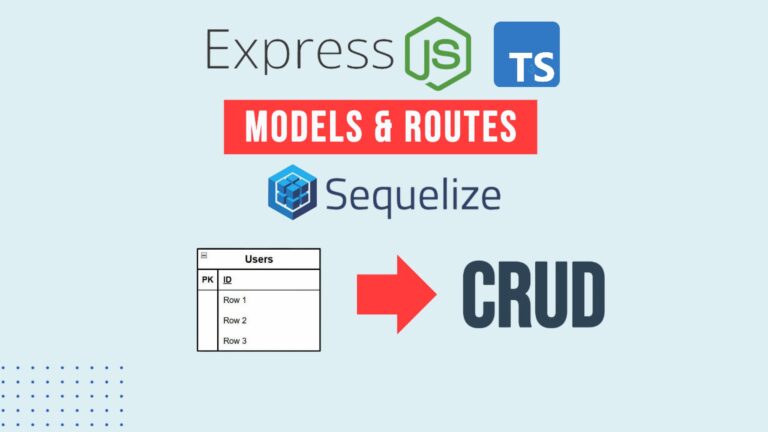
Learn how to build a clean and scalable REST API with Node.js, Express, and Sequelize using TypeScript. In this step-by-step guide, you’ll create a User model, implement a repository pattern, define CRUD routes, and structure your backend for long-term maintainability.
Learn how to set up Sequelize with TypeScript and Express in a modern Node.js project.
Learn how to write integration tests for Node.js and Express APIs using Jest and Supertest. Test middleware, validation, error handling, and improve coverage with real-world examples.

In this guide, I’ll walk you through how to unit test an Express API in Node.js, using practical examples from a Task Manager project.
Discover how using Entities to encapsulate business logic and DTOs (Data Transfer Objects) to control data exposure creates secure, scalable, and maintainable API architecture.

Ports & Adapters pattern, also known as Hexagonal Architecture helps decouple business logic from external dependencies, making your app flexible, testable, and future-proof.
Delivering the right data at the right time is one of the most important responsibilities of a well-designed API. Users expect fast, accurate, and flexible querying — and that means your backend needs solid search, sort, and filter capabilities.