Mailroom Clerk
Download for Windows:
Download for Mac:
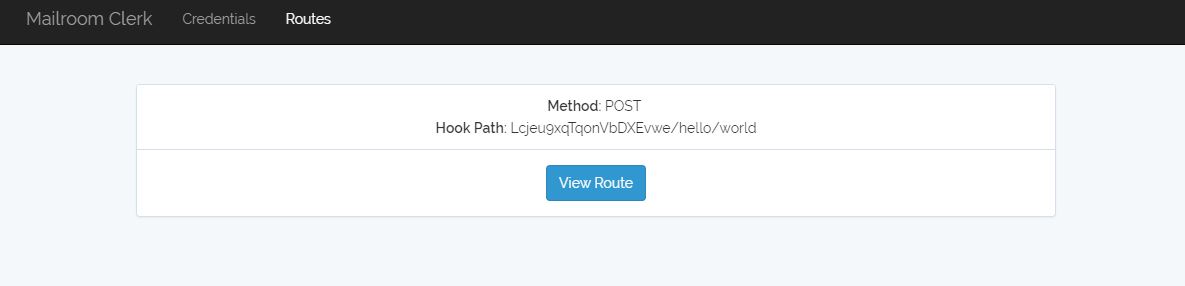
Download for Windows:
Download for Mac:
Adding email headers in Laravel application is quite simple. SwiftMessage can be customized using withSwiftMessage method of Mailable base class: https://laravel.com/docs/8.x/mail#customizing-the-swiftmailer-message However you have to remember to do it every time you create a new “mailable” class. Some mail APIs require you to put a special header each time you send an email. In this…
In Laravel framework you can create commands and call them from php application. One command can call another command, and another command, and so on. But if an exception is thrown in one of the commands in this chain the whole chain breaks. In order to avoid this problem and run each artisan command as…
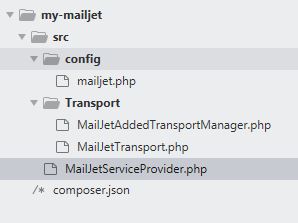
Out of the box Laravel supports many mail drivers, such as smtp, sendmail, mailgun, log, array, etc. But what if you wold like to use a mail service that Laravel does not have a driver for, such as Mailjet? You can create a custom driver for that service. This article will describe how to create…
Recently Beyondcode came out with a web sockets package for Laravel. For my mailroom project I decided to add push notifications when a service receives a webhook. This a great use case for Laravel WebSockets package. In this article we will take a look at how to install it as a service using Docker and use…
If you have a task Claude handles well but you have to re-prompt from scratch each week. That’s not a workflow — it’s a treadmill. A Claude Projects framework fixes this by turning a one-off prompt into a container that produces the same quality result every time, whether you’re running it or a teammate is….